

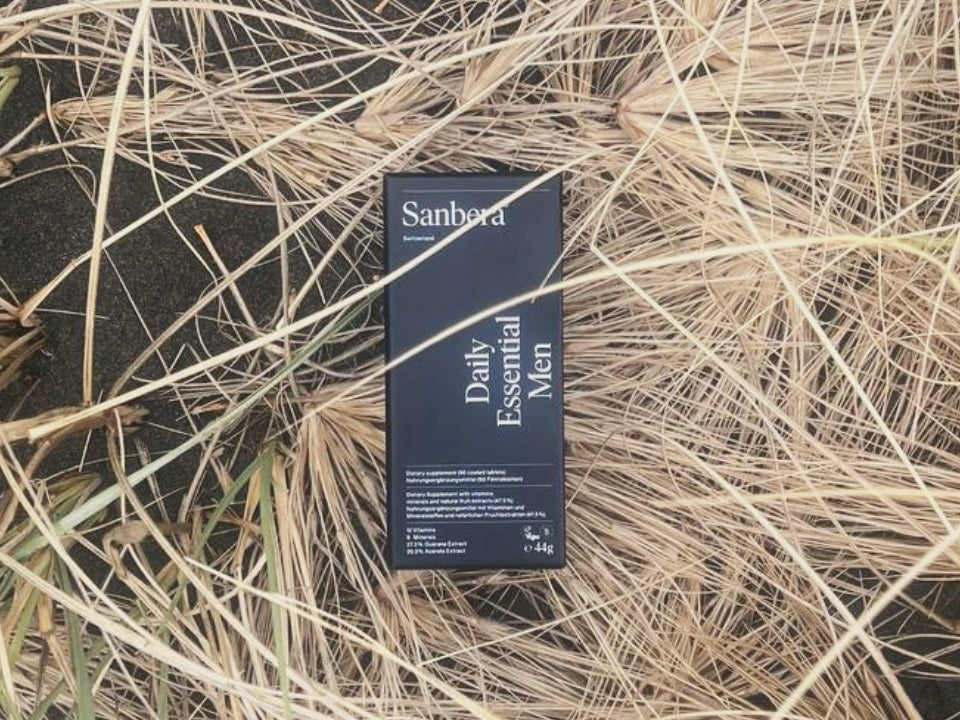

No supplement makes you more creative. What nutrition can do is cover the basics your brain relies on: in the EU and Switzerland, iron, zinc and iodine are authorised to "contribute to normal cognitive function", pantothenic acid to normal mental performance, and several B vitamins, vitamin C and magnesium to normal psychological function. Creativity and focus then depend far more on sleep, movement, breaks and how you structure your work. If your mind feels foggy for weeks, a blood test for iron, vitamin B12 and thyroid function is more useful than any "creativity supplement".
Key facts: nutrients, focus and mental clarity
- Only three nutrients carry the authorised EU claim "contributes to normal cognitive function": iron, zinc and iodine.
- Iron: EFSA reference intake is 16 mg a day for women before menopause and 11 mg for men; iron deficiency is the most common nutrient deficiency worldwide.
- Iodine: the reference intake for adults is 150 µg a day; in Switzerland, iodised salt is the main source.
- Zinc: EFSA reference intakes range from about 7.5 to 12.7 mg a day for women and 9.4 to 16.3 mg for men, depending on phytate intake.
- Caffeine: up to 400 mg a day (about four cups of filter coffee) is considered safe for healthy adults, 200 mg during pregnancy.
- Adults need at least 7 hours of sleep a night; short sleep is one of the most reliable ways to lose concentration the next day.
What is the best supplement for creativity?
There is no supplement with proven or authorised effects on creativity. Creativity is a complex skill that draws on knowledge, practice, mood, rest and the freedom to explore ideas. Searches such as "creativity supplements", "supplements for writers" or "wellness supplements for creatives" usually lead to products that promise more than the evidence supports.
What the evidence does support is simpler: your brain needs an adequate supply of certain vitamins and minerals to work normally, and a shortfall can show up as tiredness, poor concentration or low mood. Correcting a real gap helps; adding extra nutrients on top of a good supply rarely makes a measurable difference.
Nootropics and "brain supplements"
Products sold as nootropics often combine caffeine, L-theanine, ginkgo, lion's mane or other plant extracts. Studies in healthy adults show small, short-lived or inconsistent effects on attention, and none of these ingredients carries an authorised EU health claim for creativity or memory. Caffeine is the best studied: it can make you feel more alert for a few hours, but it does not make ideas better, and too much disturbs sleep, which then costs you focus the next day.
Which nutrients support normal cognitive function?
The EU register of health claims, which Switzerland follows closely, lists the following wording. These are the only statements that can be made about these nutrients and the brain.
| Nutrient | Authorised claim | Good food sources |
|---|---|---|
| Iron | Contributes to normal cognitive function; to the reduction of tiredness and fatigue | Lentils, chickpeas, tofu, oats, pumpkin seeds, red meat |
| Zinc | Contributes to normal cognitive function | Oats, pulses, nuts, seeds, cheese, meat |
| Iodine | Contributes to normal cognitive function; to normal function of the nervous system | Iodised salt, sea fish, dairy |
| Pantothenic acid (B5) | Contributes to normal mental performance | Whole grains, mushrooms, avocado, eggs |
| Vitamins B1, B6, B12, niacin, biotin, folate, vitamin C, magnesium | Contribute to normal psychological function | Whole grains, pulses, leafy greens, fruit, nuts; B12 only from animal foods or fortified products |
| DHA (omega-3) | Contributes to the maintenance of normal brain function (at 250 mg a day) | Oily fish, microalgae oil |
Iron: the most common gap
Iron contributes to normal oxygen transport, to normal cognitive function and to the reduction of tiredness and fatigue. Women with heavy periods, pregnant women and people on a plant-based diet are most likely to run low. Because low iron makes you tired and slow, it is one of the first things to check when concentration fades. Take iron supplements only after a blood test. Our guide to iron for women and men explains food sources and absorption.
Iodine and zinc
Iodine contributes to normal cognitive function and to normal thyroid function. Switzerland iodises table salt, yet national data show that many women of childbearing age take in too little, especially those who cook with non-iodised sea salt. Read more in our article on iodine. Zinc contributes to normal cognitive function and many other processes; vegans need slightly more because phytates in grains and pulses reduce absorption. See what zinc does in the body.
B vitamins for psychological function
Vitamins B1, B6, B12, niacin, biotin and folate contribute to normal psychological function, and B6 and B12 also to the normal function of the nervous system. Vitamin B12 deserves special attention if you eat no animal products. Our overview of what each B vitamin does lists daily needs and sources.
How can you improve focus and concentration naturally?
For most people, these habits make a bigger difference to focus than any capsule:
- Protect your sleep. Keep regular bed and wake times. After a short night, attention, memory and flexible thinking all suffer.
- Work in focused blocks. Plan 45 to 90 minutes on one task, with your phone out of reach and notifications off, then take a real break.
- Walk. In a Stanford study (Oppezzo and Schwartz, 2014), people came up with more creative ideas in a divergent-thinking test while walking than while sitting. Many writers and designers use walks deliberately for this.
- Drink enough. Studies have linked mild dehydration with poorer mood and concentration. Keep water on your desk.
- Eat regular, balanced meals. Protein, fibre and whole grains give steadier energy than sugary snacks.
- Time your caffeine. Use it for the morning or early afternoon, and stop at least six hours before bed.
- Get daylight and movement. Morning light helps set your body clock; the WHO recommends 150 to 300 minutes of moderate activity a week.
Many of these start in the first hour of the day. Our partner article on how to feel rejuvenated in the morning turns them into a simple routine.
What causes brain fog?
"Brain fog" is not a diagnosis but a description: slow thinking, poor concentration, forgetfulness. Common causes include too little or poor-quality sleep, stress, dehydration, alcohol, some medicines, hormonal changes and the period after an infection. Nutritional causes include low iron, low vitamin B12 and low iodine. Thyroid problems and depression can feel similar. If the fog lasts more than a few weeks, see your doctor rather than trying supplement after supplement.
How Sanbera fits in
Sanbera's Daily Essential formulas are moderate, broad-spectrum complements to a varied diet, not nootropics. Per daily serving of 3 tablets:
- Daily Essential Women: iron 7 mg (50% NRV), zinc 2.5 mg (25% NRV), iodine 37.5 µg (25% NRV), pantothenic acid 3 mg (50% NRV), vitamin B6 1.05 mg (75% NRV), vitamin B12 1.88 µg (75% NRV).
- Daily Essential Men: iron 3.5 mg (25% NRV), zinc 4 mg (40% NRV), iodine 37.5 µg (25% NRV), pantothenic acid 4.5 mg (75% NRV), vitamin B6 1.4 mg (100% NRV), vitamin B12 1.88 µg (75% NRV). It also contains guarana, a source of caffeine.
Iron, zinc and iodine contribute to normal cognitive function, and pantothenic acid to normal mental performance. Both formulas are vegan and made in Switzerland. They do not replace prescribed iron if you have a deficiency, and they will not give you ideas; they are a steady base for demanding days. If you drink a lot of coffee, remember that the men's formula adds some caffeine.
Frequently asked questions
What's the best supplement for creativity?
No supplement has been shown to make people more creative, and none is authorised to claim it. What helps is making sure your brain is well supplied: iron, zinc and iodine contribute to normal cognitive function, and B vitamins and vitamin C to normal psychological function. Beyond that, sleep, walking, breaks and time to explore ideas matter far more than any product.
What supplements help focus and concentration?
If you are low in iron, iodine or vitamin B12, correcting that shortfall is the most useful step; a blood test shows whether you are. Caffeine can make you feel more alert for a few hours. For everyone else, extra vitamins rarely improve focus measurably. Regular sleep, focused work blocks and movement are the better investment.
Which foods help focus and concentration?
No single food sharpens focus, but regular meals with whole grains, pulses, nuts, seeds, vegetables and fruit provide iron, zinc, B vitamins and magnesium, and keep your energy steadier than sugary snacks. Use iodised salt, include a source of vitamin B12 if you eat a plant-based diet, and drink enough water through the day.
Which side of the brain is the creative side?
Neither. The idea of a creative right brain and a logical left brain is a myth. Brain imaging shows that creative thinking relies on networks spread across both hemispheres, including networks for spontaneous idea generation and for focused evaluation. Creativity comes from switching between these modes, which is why breaks and walks often help ideas form.
Are there natural products designed to improve mental clarity?
Many products are marketed for mental clarity, but in the EU only nutrients carry authorised claims: iron, zinc and iodine for normal cognitive function, pantothenic acid for normal mental performance. Plant extracts such as ginkgo or green tea have no authorised claim for this. Check labels for amounts and the exact claim wording, and be wary of bold promises.
Sources
- European Commission: EU Register of nutrition and health claims
- European Food Safety Authority (EFSA): Dietary Reference Values finder
- EFSA (2015): Scientific opinion on the safety of caffeine
- National Institutes of Health, Office of Dietary Supplements: Iron, Health Professional Fact Sheet
- Oppezzo M, Schwartz DL (2014): Give your ideas some legs: the positive effect of walking on creative thinking
This article is for general information and does not replace advice from a doctor or pharmacist. Food supplements are not a substitute for a varied, balanced diet and a healthy lifestyle.