
Ten vitamins and minerals are officially recognised for the immune system: vitamins A, C, D, B6 and B12, folate, copper, iron, zinc and selenium each contribute to the normal function of the immune system. No herb, extract or "natural immune booster" carries an authorised immune claim in the EU or Switzerland. The most useful natural immune support is therefore a varied diet that covers these nutrients, plus a targeted supplement where food falls short, most often vitamin D in winter and vitamin B12 on a vegan diet.
Key facts about nutrients and the immune system
- EU Regulation 432/2012, applied in the same wording in Switzerland, lists ten nutrients that contribute to the normal function of the immune system.
- From about October to March the Swiss sun is too low for the skin to make meaningful vitamin D; without it, adults need 15 to 20 µg (600 to 800 IU) a day.
- Vitamin B12 occurs naturally only in animal foods, so a vegan diet needs fortified foods or a supplement.
- More is not better: EFSA's upper limits are 100 µg a day for vitamin D, 25 mg for zinc, 255 µg for selenium and 3,000 µg for preformed vitamin A.
Which vitamins and minerals support the immune system?
The table is the short answer to "which supplements are good for the immune system". It lists each nutrient with an authorised immune claim, its main food sources (plant sources first) and the amount per 3 tablets of Daily Essential Women and Daily Essential Men, with the % of the nutrient reference value (NRV).
| Nutrient | Authorised immune claim | Key food sources | Daily Essential Women (3 tablets) | Daily Essential Men (3 tablets) |
|---|---|---|---|---|
| Vitamin A | Contributes to the normal function of the immune system | Carrots, sweet potato, pumpkin, spinach (as beta-carotene); dairy, eggs | 200 µg (25 %) | 200 µg (25 %) |
| Vitamin C | Contributes to the normal function of the immune system | Peppers, blackcurrants, broccoli, kiwi, citrus fruit, acerola | 43.1 mg (54 %) | 51.8 mg (65 %) |
| Vitamin D | Contributes to the normal function of the immune system | Sunlight on the skin; UV-exposed mushrooms, fortified plant drinks; oily fish, eggs | 3.22 µg (64 %) | 3 µg (60 %) |
| Vitamin B6 | Contributes to the normal function of the immune system | Wholegrains, legumes, nuts, potatoes, bananas; fish, poultry | 1.05 mg (75 %) | 1.4 mg (100 %) |
| Vitamin B12 | Contributes to the normal function of the immune system | Fortified foods on a plant-based diet; meat, fish, eggs, dairy | 1.88 µg (75 %) | 1.88 µg (75 %) |
| Folate (as folic acid) | Contributes to the normal function of the immune system | Leafy greens, legumes, asparagus, wholegrains | 150 µg (75 %) | 100 µg (50 %) |
| Iron | Contributes to the normal function of the immune system | Lentils, beans, tofu, oats, pumpkin seeds; meat | 7 mg (50 %) | 3.5 mg (25 %) |
| Zinc | Contributes to the normal function of the immune system | Pumpkin seeds, hemp seeds, oats, legumes; meat, cheese | 2.5 mg (25 %) | 4 mg (40 %) |
| Selenium | Contributes to the normal function of the immune system | Brazil nuts, wholegrains, mushrooms; fish, eggs | 12.5 µg (23 %) | 12.5 µg (23 %) |
Related authorised roles: vitamin A contributes to the maintenance of normal mucous membranes, and vitamin C, zinc and selenium contribute to the protection of cells from oxidative stress. Copper also has an immune claim but is not in Sanbera formulas. Vitamin E is often marketed for immunity, but its only authorised role in this area is the protection of cells from oxidative stress.
Food first: covering immune nutrients through your diet
A plate built on vegetables, legumes, wholegrains, nuts and seeds supplies vitamin C, folate, vitamin B6, beta-carotene, iron and zinc. Useful habits:
- Vitamin C: half a red pepper or two kiwis exceed the 80 mg NRV. It is sensitive to heat, so eat some vegetables raw or lightly steamed.
- Iron and zinc from plants: absorbed better with vitamin C in the same meal, and when legumes and grains are soaked, sprouted or fermented (sourdough).
- Beta-carotene: add a little oil to carrots, pumpkin or spinach.
- Selenium: European soils are relatively low in it. Brazil nuts are rich in selenium, but amounts vary widely between nuts.
Who may need an immune-related supplement?
Vitamin D in autumn and winter
Few foods contain much vitamin D. Swiss recommendations are 15 µg (600 IU) a day for people aged 3 to 60 and 20 µg (800 IU) from 60; the D-A-CH value for adults without sun exposure is 20 µg. Older people, people with dark skin and those rarely outdoors are most often low. Our guide what vitamin D really does covers doses and blood tests.
Vitamin B12 on a vegan diet
Plant foods do not reliably contain active vitamin B12, so vegans always need a B12 source. Details are in vitamin B12: benefits, deficiency signs and how much you need.
Other groups
Women with heavy periods may be low in iron (test before taking high doses); older adults absorb vitamin B12 less well; people on a narrow diet may miss several nutrients; women planning a pregnancy are advised to take 400 µg of folic acid a day. Our overview which dietary supplements are most useful helps you decide.
What has no evidence: megadoses, "immune boosters" and immune cells
Taking far more than the reference intake does not add a benefit once your needs are met. A Cochrane review found that regular vitamin C did not reduce how often people in the general population caught colds. Very high doses can harm: excess zinc over months lowers copper status, too much preformed vitamin A is a risk in pregnancy, and high-dose vitamin B6 over a long time can affect the nerves.
Searches often ask for supplements to increase white blood cells, T cells or natural killer cells, or for natural "immunostimulants" and "immunomodulators". No vitamin, mineral or plant extract is authorised for these effects. Immunomodulators are medicines used under specialist care; a low white blood cell count is a finding for your doctor to explain.
Elderberry, echinacea, ginger and other herbs
Plant extracts have a long tradition, but the science is less clear than marketing suggests:
- Elderberry: small studies on black elderberry extract and colds or flu show mixed results. Raw berries, leaves and bark can cause nausea, so use only prepared products. See black elderberry: traditional use, composition and safety.
- Echinacea: studies for colds are inconsistent; it can cause allergic reactions in people sensitive to daisy-family plants.
- Ginger, garlic, turmeric: valued in cooking; research on immune outcomes is limited.
- Acerola: a natural source of vitamin C. The immune claim belongs to the vitamin C, not to the fruit.
In the EU, health claims for botanicals are still under review; in Switzerland none are permitted. We therefore describe plant extracts only by what they are: Daily Essential Women contains black elderberry extract (20.4 %) and acerola extract (20.1 %), Daily Essential Men contains acerola and guarana. If you take medication or are pregnant, ask your pharmacist before using herbal products.
Natural or synthetic vitamins: does the source matter?
Your body uses the same vitamin molecule whether it comes from a fruit or a laboratory; absorption depends more on dose, form and taking it with food. Exceptions: natural vitamin E is more active than synthetic, and folic acid is absorbed better than food folate.
How Sanbera fits into immune support
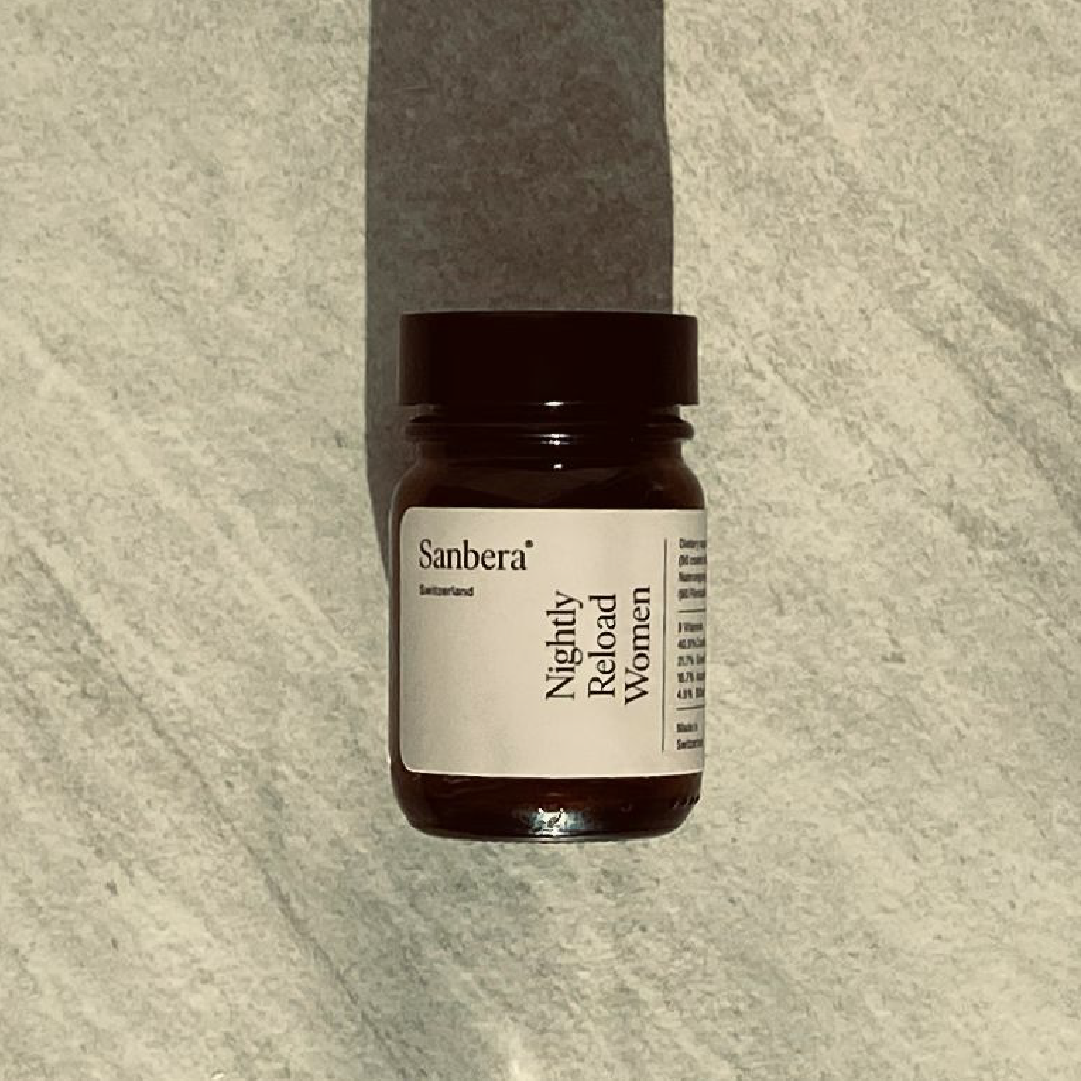
Daily Essential Women and Daily Essential Men each contain all nine nutrients in the table, at 23 to 100 % of the NRV per 3 tablets taken with breakfast. Vitamins A, C, D, B6 and B12, folate, iron, zinc and selenium contribute to the normal function of the immune system. The Nightly Reload formulas contain vitamin C, B6, folate and B12, which contribute to the normal function of the immune system, but no vitamin D or minerals.
The amounts complement a balanced diet. One honest point: the 3 to 3.22 µg of vitamin D in Daily Essential covers 60 to 64 % of the NRV, not the full 15 to 20 µg advised in winter. If you add a separate vitamin D supplement, count both and stay well below 100 µg a day. For zinc in depth, read the benefits of zinc: daily needs, foods and safe limits.
When to see a doctor
- You catch infections much more often than people around you, or need antibiotics repeatedly.
- You have a fever above 39 °C, or a fever lasting more than three days.
- An infection does not improve, wounds close very slowly, or you have unexplained weight loss or night sweats.
- You feel exhausted for weeks; iron, vitamin B12, vitamin D and the thyroid are worth checking.
On regular medication, with a chronic illness or in pregnancy, ask your doctor or pharmacist before starting any supplement, including herbal ones.
Frequently asked questions
What is the best natural supplement for the immune system?
There is no single best one. The nutrients with an authorised role are vitamins A, C, D, B6 and B12, folate, copper, iron, zinc and selenium; each contributes to the normal function of the immune system. Cover them with food first. Where that is hard, a moderate multinutrient such as Daily Essential, plus extra vitamin D in winter, is a sensible, evidence-based approach.
Can supplements boost the immune system?
The wording matters. No supplement is authorised to boost or strengthen the immune system. What is authorised is that certain vitamins and minerals contribute to its normal function. If your intake of one of them is low, closing that gap is what matters; if your needs are already met, extra amounts have not been shown to add a benefit, and megadoses can do harm.
Which vitamins matter most for the immune system in winter?
Vitamin D is the one most likely to run low, because the Swiss sun is too weak from about October to March for the skin to make it. Adults are advised to get 15 to 20 µg a day. Vitamin C from fresh vegetables and fruit, zinc from seeds and legumes, and vitamin B12 for vegans complete the picture.
Are there supplements that increase white blood cells or T cells?
No food supplement is authorised to raise white blood cells, T cells or natural killer cells. Vitamins and minerals contribute to the normal function of the immune system, which is something different. A low white blood cell count can have many causes, from infections to medicines, and needs to be assessed by a doctor rather than self-medicated with supplements.
Do herbal supplements like echinacea or elderberry work for immunity?
Echinacea and elderberry have been studied for colds and flu with mixed results, and neither has an authorised immune claim in the EU or Switzerland. They may be part of a routine you enjoy, but they should not replace the vitamins and minerals with established roles. People with allergies, autoimmune conditions or regular medication should check with a pharmacist first.
Sources
- European Commission: EU Register of nutrition and health claims
- National Institutes of Health, Office of Dietary Supplements: Dietary Supplements for Immune Function and Infectious Diseases
- German Nutrition Society (DGE): Reference values for vitamin D
- European Food Safety Authority (EFSA): Overview of tolerable upper intake levels
- Hemilä H, Chalker E. Vitamin C for preventing and treating the common cold. Cochrane Review, 2013.
- National Center for Complementary and Integrative Health (NCCIH): Echinacea
This article is for general information and does not replace advice from a doctor or pharmacist. Food supplements are not a substitute for a varied, balanced diet and a healthy lifestyle.