
The fertility vitamins with the clearest role are folic acid for women, zinc and selenium for men, and enough vitamin D, iodine, iron and vitamin B12 for both partners. Women planning a pregnancy are advised to take 400 µg of folic acid a day from at least four weeks before conception. For men, zinc contributes to normal fertility and reproduction and selenium to normal spermatogenesis. Supplements fill gaps in the diet; they do not treat infertility, and large trials in men found no extra benefit when intake was already adequate.
Key facts about fertility vitamins
- Folic acid before pregnancy: 400 µg a day from at least four weeks before conception until the end of the 12th week of pregnancy (DGE and Swiss recommendations).
- Zinc (D-A-CH reference values): 7 to 10 mg a day for women and 11 to 16 mg for men, depending on how much phytate (wholegrains, legumes) you eat. Upper level: 25 mg a day.
- Selenium: 60 µg a day for women and 70 µg for men; upper level 255 µg a day (EFSA, 2023). One Brazil nut can provide more than a whole day's need.
- Vitamin D: 15 µg (600 IU) a day for adults according to the Swiss Federal Food Safety and Veterinary Office (FSVO); 20 µg when the skin makes none (D-A-CH).
- Sperm take about ten weeks to develop, so changes in a man's diet need two to three months to be reflected in a new sperm cycle.
- Infertility is defined as no pregnancy after 12 months of regular unprotected sex (WHO).
Which vitamins should you take while trying to get pregnant?
If you are a woman trying to conceive, folic acid is the one supplement that every guideline recommends. Everything else depends on your diet and blood values.
Folic acid: the one supplement for everyone
The neural tube of the embryo closes in the first four weeks after conception, often before you know you are pregnant. Low folate status is a risk factor for neural tube defects, which is why health authorities advise 400 µg of folic acid a day on top of a folate-rich diet, starting at least four weeks before conception. Read more in why women need folic acid.
Iodine, vitamin D, iron and vitamin B12
- Iodine contributes to the normal production of thyroid hormones. Use iodised salt; if you avoid it or eat no fish or dairy, ask whether you need a supplement.
- Vitamin D status is low in many people in Switzerland, especially in winter. Vitamin D has a role in the process of cell division.
- Iron needs are higher for women who menstruate than for men. Have your ferritin checked before you take iron. See iron for women and men.
- Vitamin B12 has a role in cell division. If you eat a vegan or mostly plant-based diet, you need a reliable B12 source before and during pregnancy.
Vitamin E is often marketed for female fertility. It contributes to the protection of cells from oxidative stress, but studies have not shown that extra vitamin E improves the chance of pregnancy in women who are not deficient.
What are the best fertility vitamins for men?
There is no single best fertility vitamin for men. The nutrients with an authorised role in male reproduction are zinc and selenium; folate, vitamin B12, vitamin D and the antioxidant vitamins C and E have been studied for sperm quality.
| Nutrient | Authorised role (EU/CH) | Daily need, men | Good sources |
|---|---|---|---|
| Zinc | Normal fertility and reproduction; normal testosterone levels in the blood | 11 to 16 mg | Pumpkin seeds, oats, lentils, cheese, meat |
| Selenium | Normal spermatogenesis; protection of cells from oxidative stress | 70 µg | Brazil nuts, fish, eggs, mushrooms |
| Folate | Role in cell division; normal amino acid synthesis | 300 µg (folate equivalents) | Leafy greens, legumes, wholegrains |
| Vitamin B12 | Role in cell division; normal red blood cell formation | 4 µg | Animal foods, fortified foods, supplements |
| Vitamin D | Role in cell division; normal muscle function | 15 to 20 µg | Sunlight, oily fish, eggs, supplements |
| Vitamins C and E | Protection of cells from oxidative stress | 110 mg C; 14 mg E | Fruit, vegetables, nuts, plant oils |
Is folic acid also for men?
Folate is needed for DNA synthesis, which matters for every new sperm cell, so men need enough folate too. A normal diet with vegetables and legumes usually covers the 300 µg reference value. High-dose folic acid is not routinely recommended for men. In the large US FAZT trial, 2,370 couples having fertility treatment were studied: men who took 5 mg folic acid and 30 mg zinc a day for six months did not have better semen quality or more live births than men on placebo. Our article on folic acid for men covers the details.
Zinc, selenium and antioxidants for sperm quality
Seminal fluid contains more zinc than any other body fluid, and severe zinc deficiency is associated with low testosterone. If your intake is already adequate, more zinc has not been shown to help, and long-term doses above 25 mg can lower copper status. Learn more about the benefits of zinc.
Because sperm are vulnerable to oxidative stress, antioxidant combinations (vitamins C and E, selenium, zinc, folate) have been tested. A Cochrane review found only low-certainty evidence that they may increase live births, and the MOXI trial in men with male-factor infertility found no improvement in semen quality or pregnancy rates.
Do fertility vitamins work?
Fertility vitamins work when they correct a shortfall. For women, supplemental folic acid raises folate status, and low folate status is a risk factor for neural tube defects. Beyond that, the evidence is modest. No vitamin or mineral can repair blocked fallopian tubes, ovulation disorders, endometriosis or a very low sperm count. Age is the single strongest factor in female fertility, and a doctor can find causes that no supplement can address. If you are tempted by an expensive product promising better sperm or more eggs, check whether it contains more than the reference intakes above. More is not better.
When should you start taking fertility vitamins?
Start folic acid at least four weeks before you stop contraception, ideally two to three months before. For men, two to three months before trying covers one full cycle of sperm development. That time is also useful for a check-up: blood count, ferritin, vitamin D and, for vegans, vitamin B12.
Which supplements are bad for fertility and pregnancy?
- High-dose vitamin A (retinol): too much preformed vitamin A in early pregnancy can harm the baby. Stay below 3,000 µg a day from all sources and avoid liver supplements. Beta-carotene from plants does not carry this risk.
- Mega-doses of single nutrients: zinc, selenium and vitamin B6 all have upper limits. Add up everything you take.
- Herbal "fertility" blends: many have not been tested for safety in pregnancy. Ask a pharmacist before taking them.
- Alcohol, smoking and high caffeine: these affect both partners' fertility more than any vitamin. EFSA advises pregnant women to keep caffeine below 200 mg a day.
A preconception checklist for couples
- Women: start 400 µg folic acid a day at least four weeks before trying.
- Both: eat a varied diet with vegetables, legumes, wholegrains, nuts and seeds, and use iodised salt.
- Both: ask your doctor to check vitamin D, ferritin and, if you eat little or no animal food, vitamin B12.
- Men: cover zinc and selenium through food or a moderate supplement, not a mega-dose.
- Both: stop smoking, keep alcohol low and aim for a healthy weight.
- Review all medicines and supplements with your doctor or pharmacist.
- See a doctor after 12 months without pregnancy, or after six months if the woman is 35 or older.
Fertility nutrients in Sanbera formulas
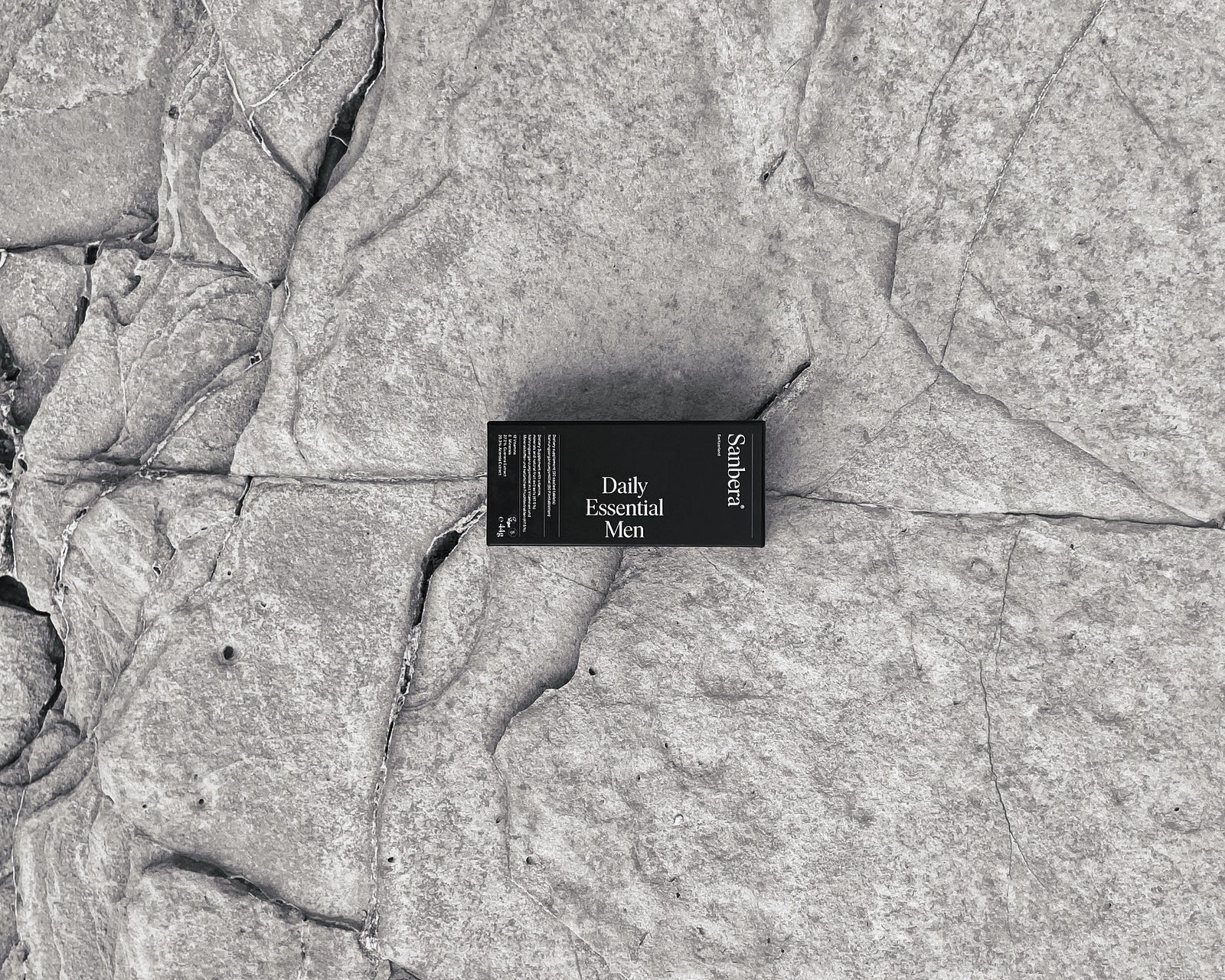
Sanbera's Daily Essential formulas are multivitamins tailored to women and men, not fertility treatments. Per daily serving of three tablets:
- Daily Essential Women: folic acid 150 µg (75% NRV), zinc 2.5 mg (25%), selenium 12.5 µg (23%), iodine 37.5 µg (25%), vitamin D 3.22 µg (64%), iron 7 mg (50%), vitamin B12 1.88 µg (75%), vitamin A 200 µg as beta-carotene (25%).
- Daily Essential Men: zinc 4 mg (40% NRV), selenium 12.5 µg (23%), folic acid 100 µg (50%), vitamin B12 1.88 µg (75%), vitamin E 9 mg (75%), vitamin C 51.8 mg (65%), vitamin D 3 µg (60%).
Zinc contributes to normal fertility and reproduction and to the maintenance of normal testosterone levels in the blood. Selenium contributes to normal spermatogenesis. Important: 150 µg of folic acid does not replace the recommended 400 µg before and in early pregnancy. If you take Daily Essential Women while trying to conceive, ask your doctor or pharmacist how to reach 400 µg. Daily Essential Men also contains guarana, which provides caffeine. For the broader topic, see vitamins and minerals for sexual health.
Frequently asked questions
What vitamin helps you get pregnant?
No vitamin makes you conceive, but folic acid is the one every woman trying for a baby should take: 400 µg a day from at least four weeks before conception until the 12th week. Supplemental folic acid raises folate status, and low folate status is a risk factor for neural tube defects. Make sure you also get enough iodine, vitamin D, iron and vitamin B12, and have your levels checked rather than guessing.
Do male fertility vitamins work?
They help if a man lacks zinc, selenium, folate or other nutrients, because zinc contributes to normal fertility and selenium to normal spermatogenesis. In men who already get enough, large trials such as FAZT and MOXI found no improvement in semen quality or live births. A semen analysis and a medical check-up are more useful than a high-dose product.
How long before conception should you take fertility vitamins?
Women should start folic acid at least four weeks before conception, ideally two to three months before. Men should allow about three months, because a new generation of sperm takes around ten weeks to develop. Starting early also leaves time for a blood test and for correcting any deficiency, such as low vitamin D or iron.
Does vitamin D affect fertility?
Studies have linked low vitamin D levels with lower fertility in women and men, but trials have not shown that extra vitamin D improves pregnancy rates in people who already have adequate levels. Vitamin D has a role in the process of cell division. Low status is common in Switzerland in winter, so a blood test before pregnancy is worthwhile.
Which vitamins should you avoid when trying to conceive?
Avoid high doses of preformed vitamin A (retinol), including liver and liver oil supplements, and keep below 3,000 µg a day from all sources. Beta-carotene is not a concern. Also avoid stacking several products that contain zinc, selenium or vitamin B6, and do not take herbal blends that have not been tested for pregnancy without advice.
Sources
- Schisterman EF et al. (2020), JAMA: Effect of folic acid and zinc supplementation in men on semen quality and live birth among couples undergoing infertility treatment
- Steiner AZ et al. (2020), Fertility and Sterility: The effect of antioxidants on male factor infertility: the MOXI randomized clinical trial
- Cochrane Database of Systematic Reviews (2019): Antioxidants for male subfertility
- German Nutrition Society (DGE): Reference values for folate and zinc
- World Health Organization: Infertility fact sheet
- European Commission: EU Register of nutrition and health claims
This article is for general information and does not replace advice from a doctor or pharmacist. Food supplements are not a substitute for a varied, balanced diet and a healthy lifestyle.