
Vitamin E is a fat-soluble antioxidant: its main, scientifically authorised benefit is that it contributes to the protection of cells from oxidative stress. Adults need about 11 to 12 mg a day (women) and 12 to 15 mg (men), which you can reach with vegetable oils, nuts and seeds. A deficiency is rare and almost always linked to a fat absorption problem. More is not better: high-dose supplements have not shown extra benefits in large trials, and the safe upper level is 300 mg a day.
Key facts about vitamin E
- Daily need (D-A-CH estimated values): 12 mg for women (11 mg from 65), 12 to 15 mg for men depending on age; 13 mg in pregnancy and 17 mg while breastfeeding.
- The nutrient reference value (NRV) used on EU and Swiss labels is 12 mg. EFSA sets adequate intakes of 11 mg (women) and 13 mg (men).
- Safe upper level (EFSA): 300 mg a day from all sources for adults, including during pregnancy and breastfeeding.
- Richest sources per 100 g: wheat germ oil about 149 mg, sunflower oil about 41 mg, sunflower seeds about 35 mg, almonds about 26 mg, hazelnuts about 15 mg.
- Only alpha-tocopherol counts towards your needs. On supplement labels, 1 IU equals 0.67 mg of natural or 0.45 mg of synthetic alpha-tocopherol.
What does vitamin E do in the body?
"Vitamin E" is a family of eight related compounds: four tocopherols and four tocotrienols. The body keeps mainly one of them, alpha-tocopherol, which is why reference values and labels are based on it.
Vitamin E sits in the fatty membranes that surround every cell and in blood lipoproteins. There it stops chain reactions in which free radicals damage unsaturated fats. Once it has done its job, vitamin C and other systems help to regenerate it. This is the basis of the one health claim that is authorised in the EU and Switzerland for vitamin E:
- Vitamin E contributes to the protection of cells from oxidative stress.
Research also describes roles for vitamin E in immune cell signalling and in the stability of cell membranes in nerves and blood vessels, which helps explain why a severe deficiency affects the nerves and muscles. These roles are well described in research, but there is no authorised claim for them, and they do not mean that taking more than you need brings additional benefits.
Vitamin E benefits for women and men: how much do you need?
Women and men benefit from vitamin E in the same way. The amounts differ slightly because men have more body mass and more fatty tissue. The reference values for Germany, Austria and Switzerland are estimates, because the exact requirement is hard to measure:
| Group | Women, mg per day | Men, mg per day |
|---|---|---|
| 19 to under 25 years | 12 | 15 |
| 25 to under 51 years | 12 | 14 |
| 51 to under 65 years | 12 | 13 |
| 65 years and older | 11 | 12 |
| Pregnancy | 13 | – |
| Breastfeeding | 17 | – |
The need rises with the amount of polyunsaturated fat you eat, because these fats are the ones vitamin E protects. Conveniently, the oils that contain most polyunsaturated fat (sunflower, rapeseed, wheat germ) also bring the most vitamin E.
What about vitamin E for women specifically?
Searches for "vitamin E benefits for women" often refer to period pain, menopause or skin. Small clinical studies have looked at vitamin E for painful periods and for hot flushes, with mixed and modest results. They are not strong enough for a recommendation, and no authorised claim exists for these uses. What is clear is that the requirement goes up during breastfeeding, because vitamin E passes into breast milk.
Which foods are high in vitamin E?
Vitamin E is found almost exclusively in plant foods, especially in fats. A vegan or vegetarian diet usually provides plenty.
| Food | Vitamin E (alpha-tocopherol) per 100 g, approx. |
|---|---|
| Wheat germ oil | 149 mg |
| Sunflower oil | 41 mg |
| Sunflower seeds | 35 mg |
| Safflower oil | 34 mg |
| Almonds | 26 mg |
| Rapeseed oil | 17 mg |
| Hazelnuts | 15 mg |
| Olive oil | 14 mg |
| Pine nuts | 9 mg |
| Peanuts | 8 mg |
| Avocado | 2.1 mg |
| Spinach, raw | 2.0 mg |
| Red pepper, raw | 1.6 mg |
| Kiwi | 1.5 mg |
In practice, a handful of almonds (30 g) gives about 8 mg, and a tablespoon of sunflower oil (10 g) about 4 mg. Together they cover most of a day's need. Vitamin E is sensitive to light, air and high heat, so store oils closed and dark and use cold-pressed oils for salads rather than for frying.
Vitamin E deficiency: rare, and usually a sign of something else
A dietary vitamin E deficiency is very uncommon in Switzerland and the rest of Europe. When it occurs, the cause is almost always that the body cannot absorb fat properly:
- chronic conditions with fat malabsorption, such as cystic fibrosis, Crohn's disease, chronic pancreatitis or cholestatic liver disease;
- after some types of weight-loss surgery;
- rare inherited disorders of vitamin E transport (for example ataxia with vitamin E deficiency, AVED);
- premature babies with very low birth weight.
Symptoms develop slowly over years: numbness and tingling (peripheral neuropathy), loss of coordination and balance (ataxia), muscle weakness, problems with vision (retinopathy) and a weaker immune response. Hair loss is not a typical sign of vitamin E deficiency; iron, thyroid problems and hormones are far more common causes. If you suspect a deficiency, a blood test, interpreted together with blood lipids, gives the answer.
Is vitamin E good for your skin and hair?
Vitamin E is a natural part of the skin's surface fats. It reaches the skin with sebum and forms part of its antioxidant system, which is why it is so common in creams (often as tocopheryl acetate). In cosmetics it mainly acts as an antioxidant for the product itself and as a skin-softening ingredient.
What the evidence shows for oral vitamin E is more limited:
- Sun and skin: laboratory and small human studies have looked at vitamin E, often together with vitamin C, after UV exposure. Vitamin E does not replace sunscreen.
- Scars: studies of vitamin E oil on surgical scars have not shown a consistent improvement, and some people develop contact dermatitis from it.
- Hair: a small 2010 study in 38 people with hair loss found a higher hair count after eight months of a tocotrienol supplement than with placebo. It is a single small trial and needs confirmation.
For a wider view of which nutrients actually matter, read which vitamins are good for your skin and what nutrition can and can't do for skin rejuvenation. Hair has its own guide: supplements for hair.
Vitamin E supplements: benefits, side effects and interactions
Because vitamin E is a strong antioxidant in the test tube, it was long hoped that high doses would protect the heart and lower cancer risk. Large randomised trials with 400 IU (about 180 to 270 mg) or more did not confirm this. In the SELECT trial with more than 35,000 men, the group taking vitamin E alone even had a slightly higher rate of prostate cancer than the placebo group. For healthy people with a normal diet, high-dose vitamin E is therefore not recommended.
Who should be careful?
- Blood thinners: high doses of vitamin E can increase the bleeding risk of anticoagulants such as warfarin and of antiplatelet drugs, including aspirin.
- Before an operation: tell your surgeon about any vitamin E supplement, as it is often stopped beforehand for the same reason.
- Cancer therapy: discuss antioxidant supplements with your oncologist before chemotherapy or radiotherapy.
The EFSA upper level of 300 mg a day refers to all sources together. Moderate amounts close to the reference intake, taken with a meal that contains some fat, are absorbed well and remain far below it. If you take medicines regularly, check with your doctor or pharmacist first.
Vitamin E in Sanbera formulas
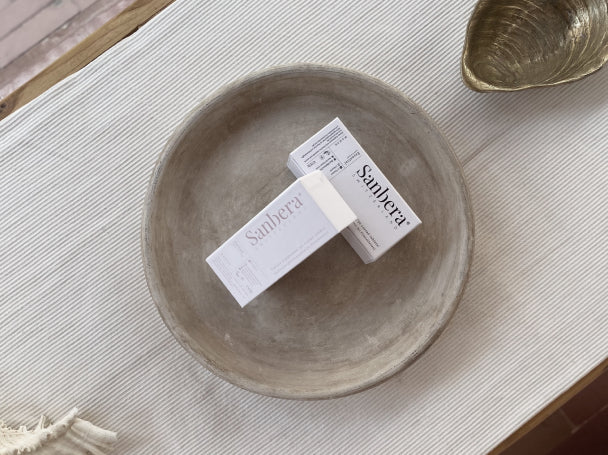
Vitamin E is part of the two Daily Essential formulas, in moderate, label-level amounts. Per daily serving of three tablets, Daily Essential Women provides 6 mg vitamin E (50% NRV) and Daily Essential Men 9 mg (75% NRV). The Nightly Reload formulas contain no vitamin E. Together with your diet, these amounts stay far below the 300 mg upper level.
Vitamin E contributes to the protection of cells from oxidative stress. Both Daily Essential formulas also contain vitamin C, riboflavin, zinc and selenium, which contribute to the protection of cells from oxidative stress as well. They are vegan and made in Switzerland. Not sure whether you need a supplement at all? Our guide to which dietary supplements are most useful, and for whom helps you decide.
Frequently asked questions
What is vitamin E good for?
Vitamin E contributes to the protection of cells from oxidative stress. It sits in cell membranes and stops free radicals from damaging the fats in them. A severe deficiency, which is rare, mainly affects the nerves, muscles and eyes. Most adults get enough from vegetable oils, nuts and seeds; large trials have not shown extra benefits from high-dose supplements.
Can I take vitamin E every day?
Yes, at moderate doses. Amounts close to the reference intake of about 12 mg are safe for daily use and are what most multivitamins provide. The upper level is 300 mg a day from all sources. High-dose capsules of 400 IU or more are not recommended without medical advice, especially if you take blood thinners or have an operation planned.
Does vitamin E cause weight gain?
No. Vitamin E itself has no calories, and there is no evidence that vitamin E supplements make you gain weight. A soft-gel capsule contains only a fraction of a gram of oil. The foods richest in vitamin E, such as oils and nuts, are energy-dense, however, so portion size matters more than the vitamin itself.
Is vitamin E good for the liver?
Your liver stores vitamin E and controls how much reaches the blood. In people with fatty liver inflammation (MASH, formerly NASH), clinical trials have tested high doses of around 800 IU a day, and liver specialists use it for selected patients. This is a medical decision at doses far above normal intake, not a reason to take vitamin E on your own.
Does vitamin E affect mood or the nerves?
Severe vitamin E deficiency damages nerves and can cause numbness and poor coordination, but this is rare. There is no authorised health claim linking vitamin E to mood or psychological function, and studies have not shown that extra vitamin E improves mood in well-nourished people. If you feel low for weeks, speak to your doctor.
Sources
- National Institutes of Health, Office of Dietary Supplements: Vitamin E, Health Professional Fact Sheet
- EFSA Panel on Dietetic Products, Nutrition and Allergies (2015): Scientific opinion on Dietary Reference Values for vitamin E as alpha-tocopherol
- EFSA Panel on Nutrition (2024): Scientific opinion on the tolerable upper intake level for vitamin E
- German Nutrition Society (DGE): Reference values for vitamin E
- Klein EA et al. (2011), JAMA: Vitamin E and the risk of prostate cancer: the Selenium and Vitamin E Cancer Prevention Trial (SELECT)
- U.S. Department of Agriculture: FoodData Central (food composition values)
This article is for general information and does not replace advice from a doctor or pharmacist. Food supplements are not a substitute for a varied, balanced diet and a healthy lifestyle.